How Do Banks Make Money On Credit Cards - How Do Credit Cards Work? I Answer The Most Important ... : They are generated when a retailer accepts a credit card payment, with the retailer paying a percentage of the value of the.
Dapatkan link
Facebook
X
Pinterest
Email
Aplikasi Lainnya
How Do Banks Make Money On Credit Cards - How Do Credit Cards Work? I Answer The Most Important ... : They are generated when a retailer accepts a credit card payment, with the retailer paying a percentage of the value of the.. The mechanics are a bit more complicated, but that's a general idea. By being aware of the different fees and how you can avoid them, you can save yourself some cash and avoid common pitfalls. When you use a credit card, you're borrowing money from the issuer. It all ties back to the fundamental way banks make money: Each time a card holder uses his/her credit/debit card the credit/debit card issuer (bank's normally) makes money.
So if you borrowed £1,200 on a 24 month 0% purchase card, matched this with £1,200 in deposits in a 3% interest account, you could make about £72 by the time. The issuance / annual fees don't normally make money, they cover bank's operations costs. If you make a late payment on your credit card, you'll get charged. Credit card issuers also generate income from charging merchant fees. You're probably familiar with the first two.
FAQ: Credit Card Machines from www.businessnewsdaily.com It all ties back to the fundamental way banks make money: A 2018 federal reserve system report said that although profitability for the large credit card banks has risen and fallen over the years, credit card earnings have almost always been higher than returns on all commercial bank activities. Credit card issuers make money from three main sources: Credit card companies make the bulk of their money from three things: Otherwise, you'll end up losing money by still paying significant interest. Each time a card holder uses his/her credit/debit card the credit/debit card issuer (bank's normally) makes money. Banks make money off of the interest and fees they charge their customers. When you make a payment using your credit card, the entire amount does not go to the retailer.
They are generated when a retailer accepts a credit card payment, with the retailer paying a percentage of the value of the.
Every purchase made with a plastic card transfers 1.5+% of it's value to the issuer bank. When looking at how credit card companies work, it's important to distinguish between the different types of companies out there: Banks charge a small percentage of the purchase amount as interchange fee from the merchants. — you can use your credit card to raise a sum of money this way: Some credit card companies will raise your interest rate after only one late payment. Banks generally make money by borrowing money from depositors and compensating them with a certain interest rate. Credit card companies make money by collecting fees. Banks make money from their credit cards in a variety of ways. When you use a credit card for either one, your card details are sent to the merchant's bank. You pay them back when you get your statement. (it used to be $39.) this also ties into interest fees. A 2018 federal reserve system report said that although profitability for the large credit card banks has risen and fallen over the years, credit card earnings have almost always been higher than returns on all commercial bank activities. There are generally four parties that are involved in a payments transaction.
There are generally four parties that are involved in a payments transaction. Interest payments and interchange fees are likely their key money makers but other fees allow them to make even more. Interest, annual fees charged to cardholders and transaction fees paid by merchant businesses that accept credit cards. Credit card companies make money off cardholders in a wide range of ways. Every time you put a purchase on a credit card, you're most likely putting money into the bank accounts of credit card issuers.
How To Pick The Right Credit Card For Your Spending Habits ... from makemoneystory.com Otherwise, you'll end up losing money by still paying significant interest. When you use a credit card for either one, your card details are sent to the merchant's bank. Credit card issuers and credit card networks. Federal law requires issuers to prominently disclose these costs. The banks will lend the money out to borrowers, charging the borrowers a higher interest rate, and profiting off the interest rate spread. Interest payments and interchange fees are likely their key money makers but other fees allow them to make even more. Every time you put a purchase on a credit card, you're most likely putting money into the bank accounts of credit card issuers. By being aware of the different fees and how you can avoid them, you can save yourself some cash and avoid common pitfalls.
Federal law requires issuers to prominently disclose these costs.
The banks will lend the money out to borrowers, charging the borrowers a higher interest rate, and profiting off the interest rate spread. There's the issuing bank that actually loans money to the customer through their credit card. Credit card companies make the bulk of their money from three things: Banks charge a small percentage of the purchase amount as interchange fee from the merchants. Federal law requires issuers to prominently disclose these costs. Banks generally make money by borrowing money from depositors and compensating them with a certain interest rate. When banks issue credit cards, they're essentially lending you money to make purchases. Your total between the bonus, the cash back and the interest: Credit card companies make money by collecting fees. For example, you can save almost $400 by moving a $3,000 balance at 17% to a credit card with a 0% apr for 12 months. Banks use depositors' money to make loans. When looking at how credit card companies work, it's important to distinguish between the different types of companies out there: Interest, annual fees charged to cardholders and transaction fees paid by merchant businesses that accept credit cards.
Banks charge a small percentage of the purchase amount as interchange fee from the merchants. Try to pay off your credit card in full every month to minimize interest payments and monitor your account balances closely so you don't get charged extra fees. According to industry research organization r.k. Hammer, credit card fee and interest income topped $163 billion in 2016. Credit card issuers also generate income from charging merchant fees.
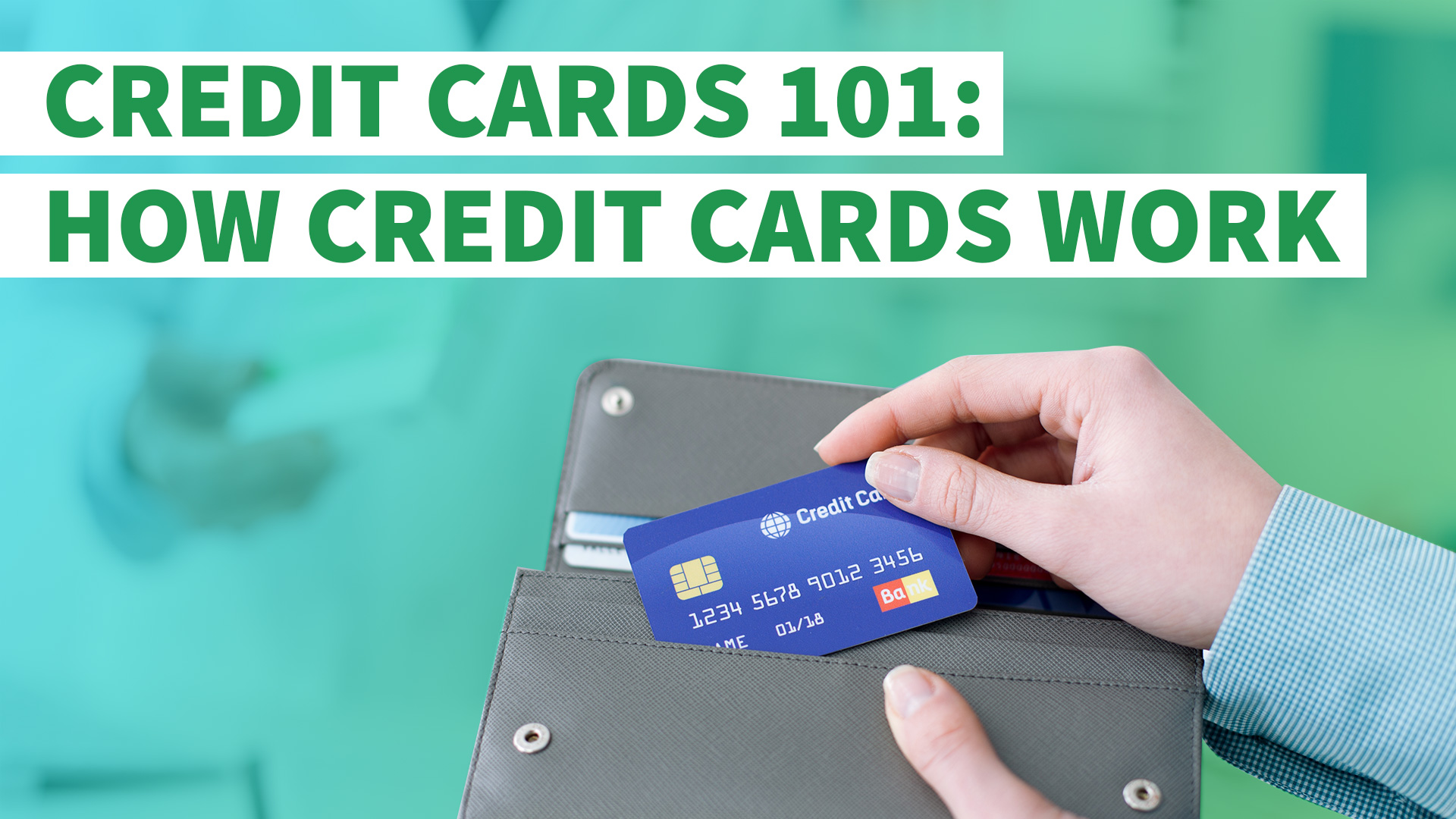
Credit Cards 101: How Do Credit Cards Work? | GOBankingRates from cdn.gobankingrates.com A card company has various ways to make money. When merchants accept payment via credit card, they are required to pay a percentage of the transaction amount as a fee to the credit card company. Every time you put a purchase on a credit card, you're most likely putting money into the bank accounts of credit card issuers. Put your credit card payoff money in the savings account. Visa became the first credit card to be recognized worldwide. Each time a card holder uses his/her credit/debit card the credit/debit card issuer (bank's normally) makes money. Primarily they make money from the interest payments charged on the unpaid balance, but they also can make money by charging an annual fee for the use of the card. You have a set (9) … a credit card cash advance is a withdrawal of cash from your credit card account.
Banks generally make money by borrowing money from depositors and compensating them with a certain interest rate.
Banks take deposits from customers (essentially borrowing that money from account holders), and they lend it out to other customers. You pay them back when you get your statement. Credit card companies make the bulk of their money from three things: If you make a late payment on your credit card, you'll get charged. You're probably familiar with the first two. A credit card issuer is the bank or credit union that provides the credit card and lends the money used in a transaction. Not every credit card charges an annual fee, but those that do may be raking in anywhere from $25 to $600 per account each year, sometimes more on the most exclusive credit cards.this is a fee the credit card company collects from a cardholder every year to access the benefits and rewards they offer. Credit card companies make money by collecting fees. Visa became the first credit card to be recognized worldwide. Additionally, credit card companies make money by. A 2018 federal reserve system report said that although profitability for the large credit card banks has risen and fallen over the years, credit card earnings have almost always been higher than returns on all commercial bank activities. According to industry research organization r.k. Credit card issuers also generate income from charging merchant fees.
Kata bank berasal dari bahasa italia banca berarti tempat penukaran uang. 23.08.2021 · beberapa contoh surat perjanjian peminjaman uang. Surat perjanjian hutang piutang pada hari ini, _____, kami yang bertanda tangan dibawah ini setuju mengadakan perjanjian hutang piutang yaitu : Dikarenakan batas waktu pembayaran atau jatuh tempo sudah. Contoh surat pernyataan hutang pribadi atau individu. 331253604 Contoh Surat Perjanjian Hutang Piutang Lengkap Surat Perjanjian Hutang Piutang Pada Hari Studocu from d20ohkaloyme4g.cloudfront.net 23.08.2021 · beberapa contoh surat perjanjian peminjaman uang. Contoh surat pernyataan hutang pribadi atau individu. Bukan hanya untuk kepentingan kelompok atau perusahaan, namun juga untuk kepentingan pribadi atau individual. Namun di bawah ini adalah beberapa contoh surat pernyataan hutang yang bisa anda jadikan...
How To Make Fake Mtg Cards - FAKE more innistrad cards to spoil - Rumor Mill Archive ... / After all, when you have that great card idea, you may not always in front of a pc. . My understanding is that most black text on modern magic cards is added on as a final layer after the more complex multicolored layer on bottom. This is easy to detect as the external border is not pure white. A diverse community of players devoted to magic: Download a pdf with all the cards nicely lined out, print the pdf, cut it, and your deck is ready! Please notice the double external border, a thick black line and how the pattern in the mana symbol looks like. Mox diamond stronghold mtg proxy magic the gathering proxies cards gp fnm playable holo foil available. 1.2 what is an altered card? Mtg card maker may use the trademarks and other intellectual property of wizards of the coast llc, which is permitted under wizards' fan site policy. Additionally is missing the external black line...
Making Boxes From Greeting Cards - Mother S Day Card Using Quatrefoil Die Spring Cards Card Craft Card Making : Starting at the corners on the short end, cut the crease alongside the long end just to where the creases intersect. . This custom promotional template features the greeting card. This cardboard has to be thin or it will make your drawer tight to slide. Each month brings a mix of at least 5 handmade greeting cards, feminine and masculine, in a variety of sentiments and styles. 5 out of 5 stars. Apply double stick tape to the top and bottom inside tab edge of the box. Learn to make tiny gift boxes out of last year's greeting cards. 5 out of 5 stars. How to repurpose your christmas cards.music by jason sha. By using this file, you agree that you possess the necessary rights to any content you use in connection with this file, including (1) company names and logos, (2) any person's name or face, and (3) any words or images created by someone else. In ...




Komentar
Posting Komentar